
Food production has always been the most vital and labor-intensive task for humans when exploring new habitats. During space travel, astronauts need a steady supply of vitamins, which could be delivered by freshly grown crops in space farms. In the best case, these facilities would also allow for hydrological and nutrient recycling which leads to more self-sustainability of space crafts and stations.
The biggest threat for a crop plant in space is Ionizing radiation, which could lead to double strand breaks & genome rearrangements. In the worst case, this could result to the plant dying or seeds not germinating anymore.
Tardigrades can survive ionizing radiation doses 100 times the human lethal dose. They possess unique proteins that are unmatched at either shielding or repairing DNA damage. Laura wants to take a certain gene that she discovered in a recent publication that likely is responsible for the superior DNA repair of tardigrades and introduce it into plants.
In previous studies it was already shown that other proteins involved in DNA repair in tardigrades can be expressed in bacteria without being detrimental to the organism. Furthermore, the bacteria showed significant higher survival rates after ionizing radiation exposure.
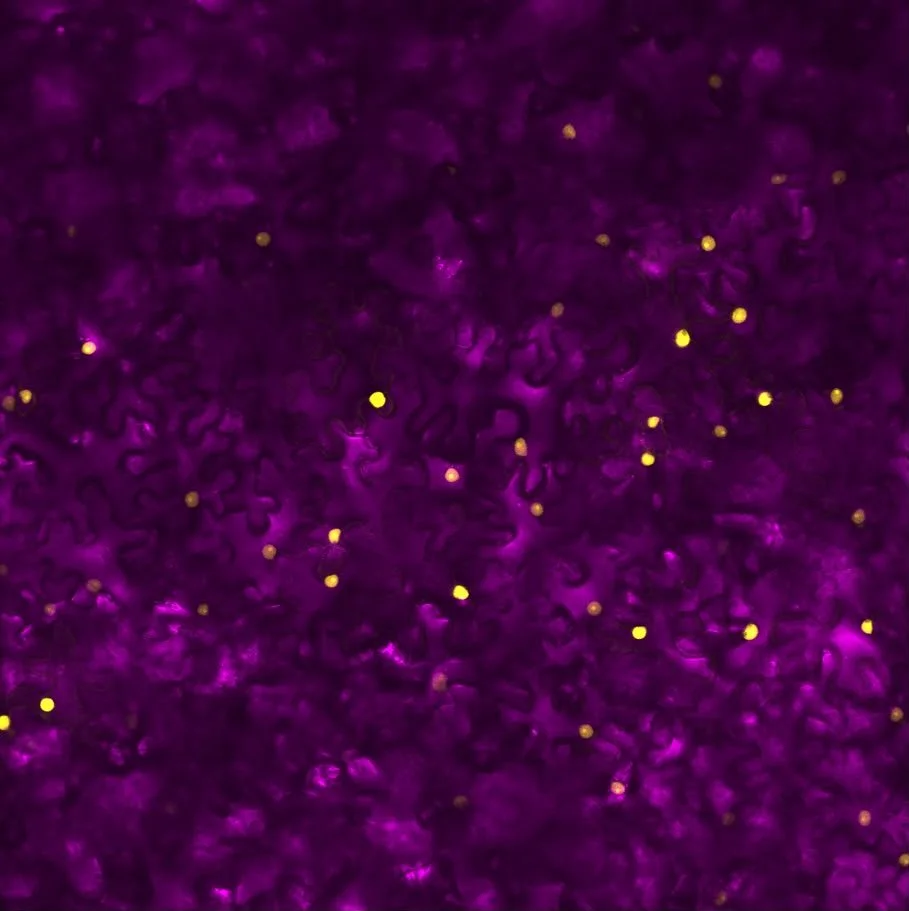
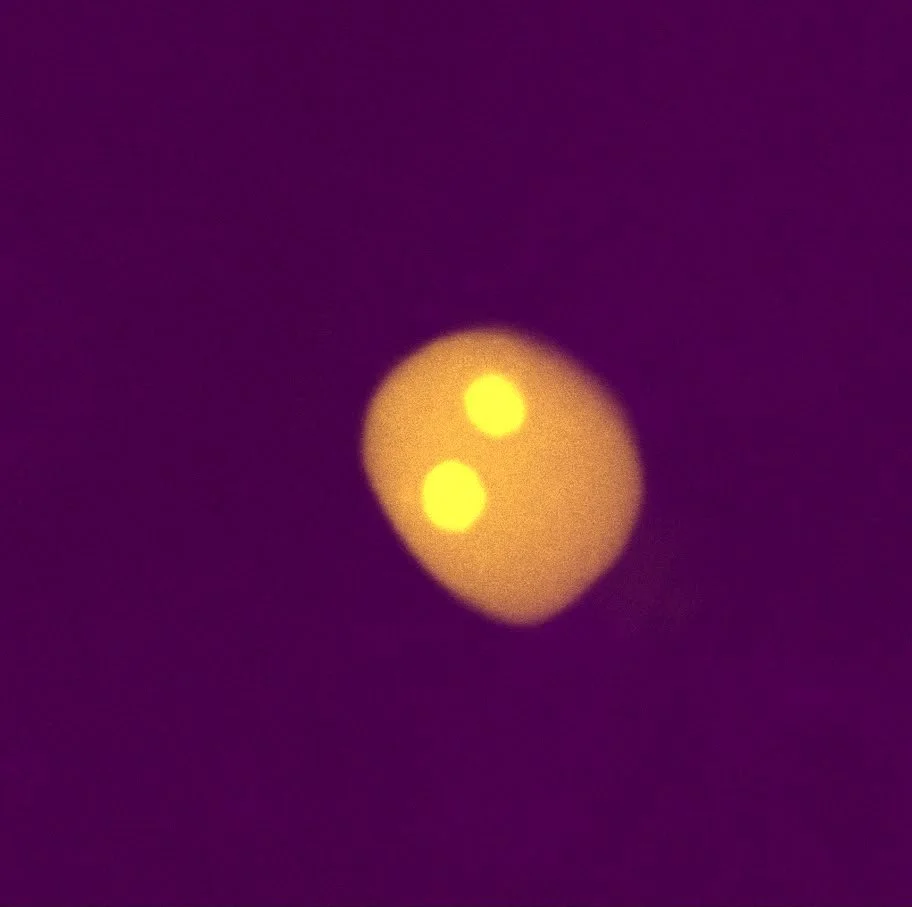
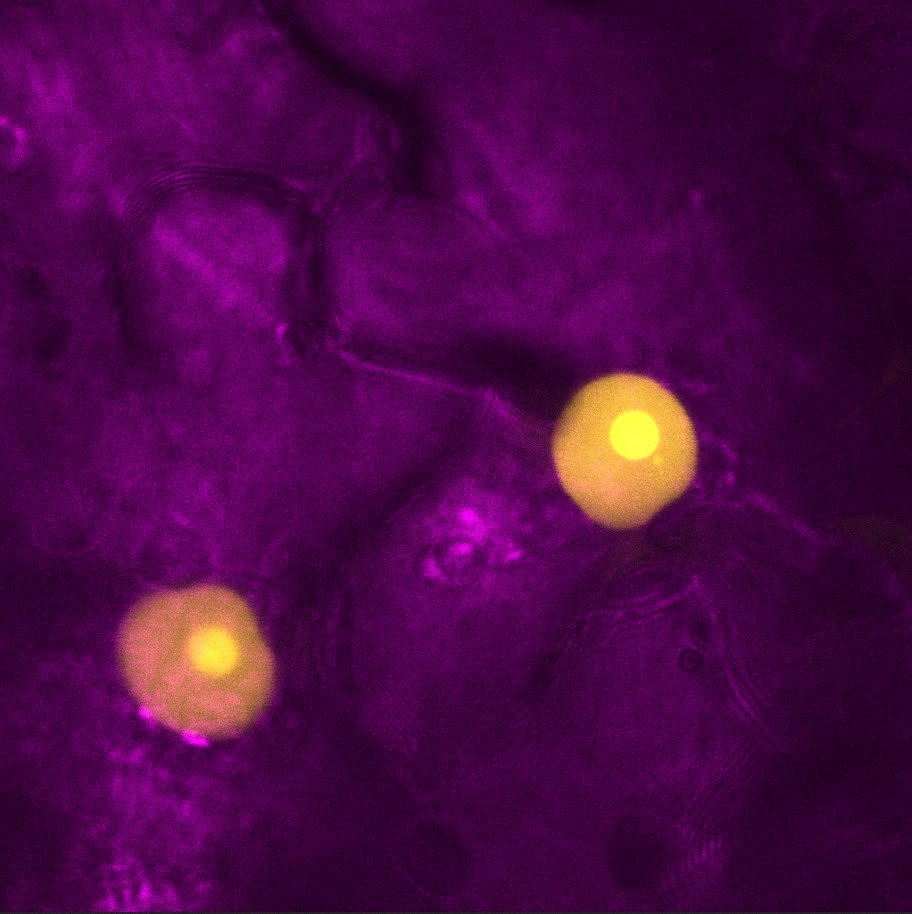
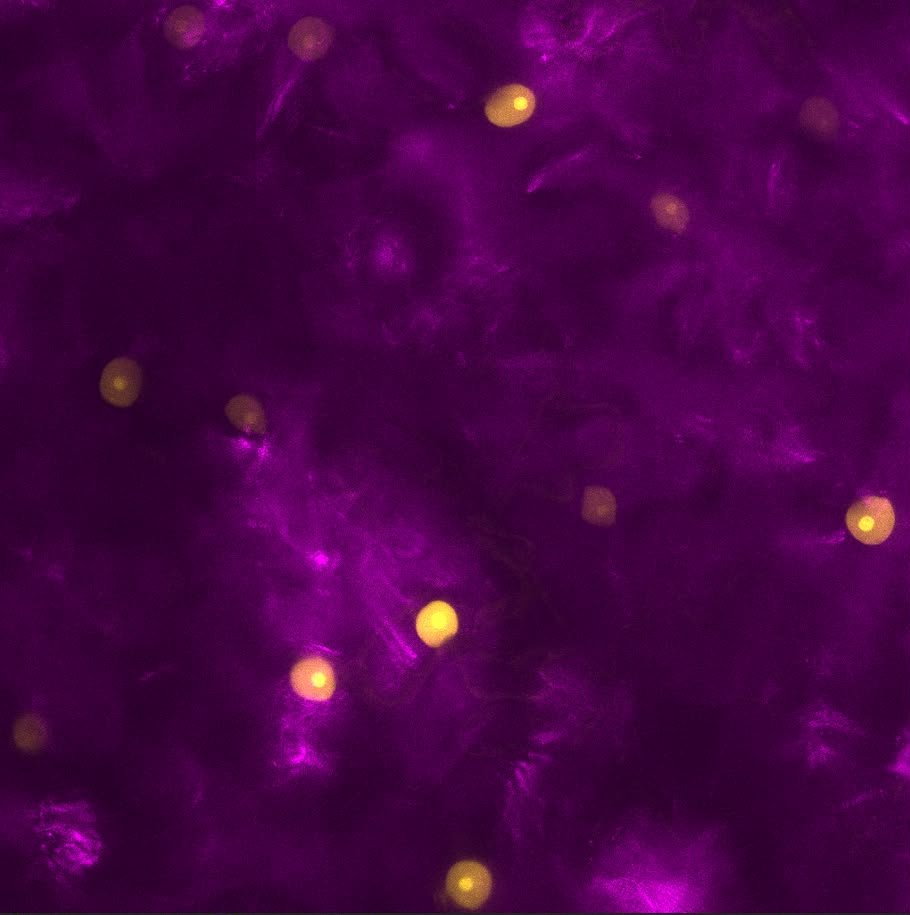
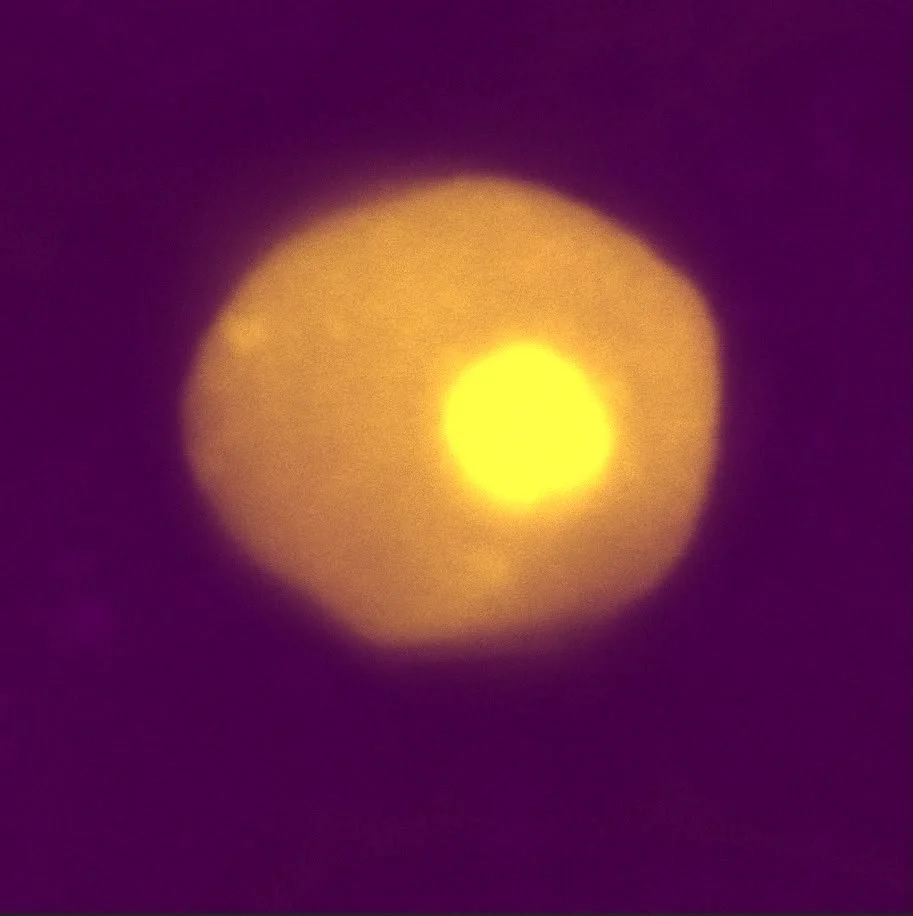
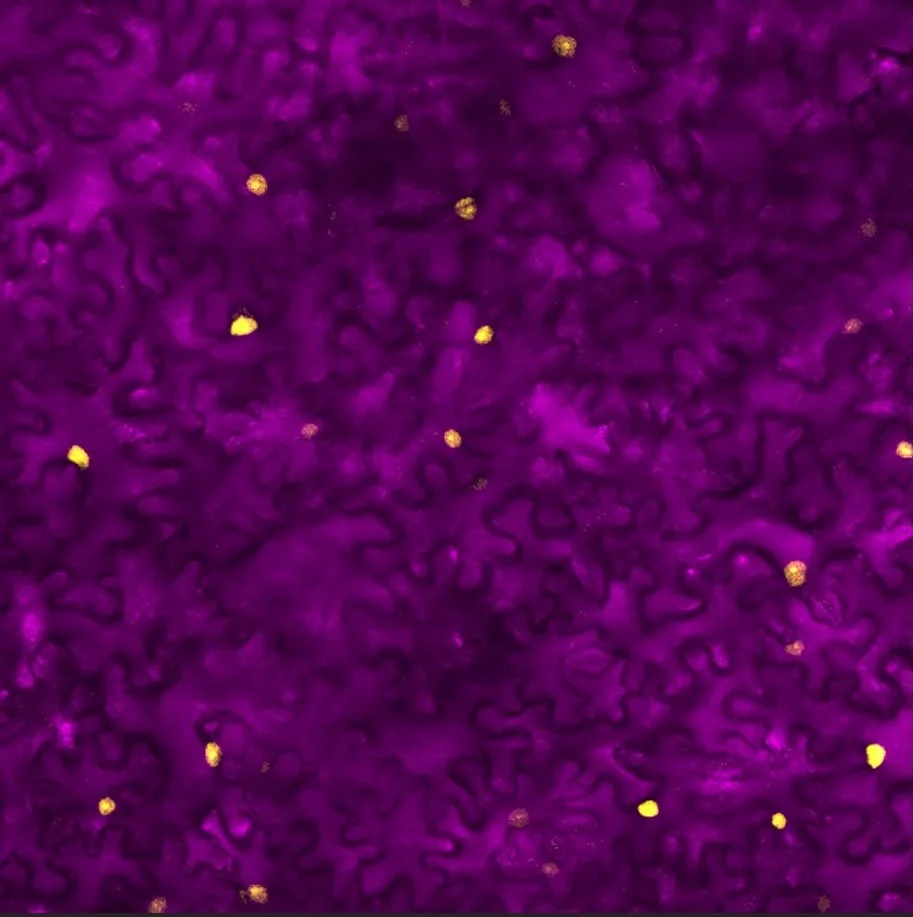
So far, Laura has been able to monitor the correct expression of the protein in plants, showing up in the plant nucleus, where the DNA is located. Currently, she and her students are selecting stably transformed plant lines of Arabidopsis thaliana, researchers favorite plant model organism. Ultimately, they will be exposed to ionizing radiation, and their recovery rate compared to plants lacking the tardigrade DNA repair gene.
The Space Potato Project by Laura Schütz